Don t Touch My Tools or My Daughter: A Designer s Review
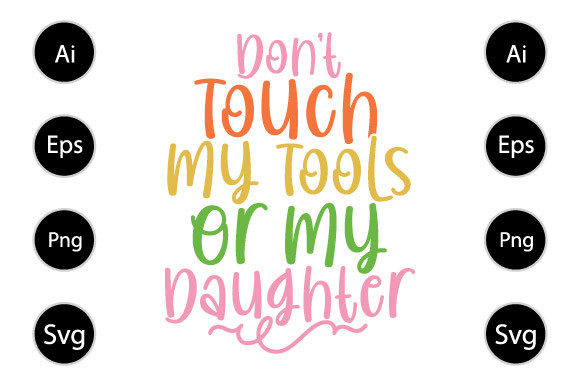
As someone who has spent years stitching custom pieces for clients and running a small shop on Etsy, I know that the difference between a good design and a great finished product often comes down to one thing: how well the concept translates from a digital file to actual thread. When I first pulled up the Don t Touch My Tools or My Daughter embroidery design, my immediate reaction wasn't about the file format or the technical specs. It was about the voice. This isn't just a generic "Happy Father's Day" sentiment; it is a bold declaration of love wrapped in a humorous warning.
The phrase itself creates an instant mood. It feels protective, slightly rebellious, and undeniably affectionate. For a designer looking to create something with personality, this is gold. The layout suggests a strong central message, likely intended to be the focal point of a garment or accessory. In the world of crafts and graphics, finding a balance between humor and heartfelt emotion is tricky, but this design seems to nail it. It speaks directly to fathers who are proud builders, mechanics, or DIY enthusiasts, while simultaneously acknowledging the daughter who is their biggest fan (and perhaps their most fierce protector).
Real-World Application: From Screen to Stitch
I recently decided to test this design in a practical scenario. I had a client request a custom embroidered tote bag for a father who runs his own woodworking business. He wanted something that would hang in his workshop but also serve as a conversation starter at family gatherings. The Don t Touch My Tools or My Daughter concept was perfect for this context. However, moving from a digital preview to a physical embroidery project requires careful planning.
When I laid out the design on a scrap piece of heavy canvas for the tote, the visual weight of the text became apparent. If the lettering is too thin or the spacing too tight, the "tools" aspect might get lost in the fabric texture. Conversely, if the design is too dense, it could create a stiff, uncomfortable area on the bag handle or body. In my experience, designs like this work best on structured fabrics where the stitches can hold their shape without distorting the material. A sturdy cotton canvas or a denim tote bag would provide the ideal foundation for this message.
Imagine the finished product hanging in a workshop. The contrast of white thread on dark blue denim, or perhaps black thread on a natural burlap background, would make the warning pop. It transforms a simple utility item into a personalized statement piece. Customers browsing an Etsy shop or a craft fair booth stop when they see something that tells a story. This design does exactly that. It signals that the owner values their tools and their family equally, creating an emotional connection before a single stitch is even touched by a needle.
Where This Design Shines and Where to Be Cautious
While the concept is strong, not every surface is created equal. As an experienced reviewer, I need to highlight where Don t Touch My Tools or My Daughter will excel and where it might struggle. For custom apparel like sweatshirts or t-shirts, this design is a natural fit. The relaxed nature of knit fabrics allows for some flexibility, making it forgiving for slight adjustments in tension. It works particularly well for baby items, such as a onesie for a little girl who wants to claim her dad, or a bib for a toddler. The humor translates beautifully to the next generation.
However, there are specific scenarios where you must proceed with caution. Small hoop sizes are a major limitation here. If the design includes intricate details around the words "Tools" or "Daughter," shrinking it down for a cap brim or a tiny baby bootie could result in a muddy mess. Satin stitches might merge together, losing the definition that makes the design readable. Similarly, textured fabrics like chunky knits or heavily woven linens can hide the fine lines of the embroidery. On these materials, the design might look less crisp than intended.
Stretchy fabrics present another challenge. While a t-shirt stretches, an overly dense fill stitch can cause the fabric to pucker or warp over time, especially after washing. If you are planning to use this for a commercial embroidery project involving frequent washing, such as kitchen towels or aprons, you must ensure the stitch density is appropriate. Too many stitches per square inch will make the fabric rigid, defeating the purpose of a comfortable kitchen towel. Always check the recommended stabilizer for the specific fabric type to prevent distortion.
Visual Appeal and Customer Trust
In the handmade market, presentation is everything. A well-executed design builds trust and justifies a higher price point. When a customer sees a professionally stitched Don t Touch My Tools or My Daughter patch or pillow cover, they perceive value in the craftsmanship. The clarity of the lettering and the neatness of the edges reflect the skill of the maker. If the design looks sloppy or the threads are frayed, it undermines the brand consistency of your small shop.
This design also has high giftability. Father's Day gifts are often saturated with clichés, but a design that combines humor with a personal touch stands out. Whether it is a coffee mug sleeve, a holiday gift, or a wedding present for a new father, the message resonates. It invites engagement. People want to ask, "Why did you choose that?" and the answer provides an opportunity to share the story behind the design. For Etsy sellers and creative entrepreneurs, this kind of engagement is crucial for driving sales and building a loyal customer base.
Practical Notes for the Embroidery Designer
Before you commit to using this design for a large order or a commercial product, there are essential steps you must take. First, always test the design on scrap fabric that matches your final project. This allows you to inspect small details, check thread color contrast, and review stitch density under real-world lighting conditions. What looks good on a computer screen might behave differently once the machine starts stitching.
Confirm the hoop size requirements before starting. If the design is too large for your machine's standard hoops, you may need to split the design or use a larger frame, which adds complexity. Check whether the design works for both personal and commercial projects by reviewing the licensing terms provided with the AI Illustrator file or Eps illustrator 10 Eps file. Do not assume that purchasing the digital asset grants you unlimited rights to sell finished goods; verify the license explicitly.
Use proper stabilizer to support the fabric, especially if you are working with stretchy or lightweight materials. Inspect the design in black and white mockups to ensure the contrast holds up regardless of the thread colors you choose. Compare light and dark fabric backgrounds to see how the design adapts. If the design relies on negative space, it might disappear on a dark background unless you use a contrasting thread color.
Finally, remember that while this design is versatile, it is not a one-size-fits-all solution. Take the time to evaluate how it fits your specific product line. Whether you are creating an embroidered patch, a tote bag design, or a sweatshirt embroidery piece, the success of the project depends on your attention to detail. By treating Don t Touch My Tools or My Daughter with the care it deserves, you can turn a simple digital file into a cherished handmade product that celebrates the bond between a father and his daughter.