Autism Awareness: A Designer's Real-World Embroidery Review
As a designer who spends countless hours testing digital assets before stitching them into physical goods, I approach every new download with a mix of excitement and skepticism. When I first opened the Autism Awareness design file, my immediate reaction wasn't just about the message, but about how that message would translate from a vector screen to a needle and thread. This isn't just another graphic for a t-shirt; it is a statement piece intended to foster connection through the words "Accept Understand Love." For crafters, Etsy sellers, and small business owners looking to add meaning to their inventory, the practical application of this design is where the true value lies.
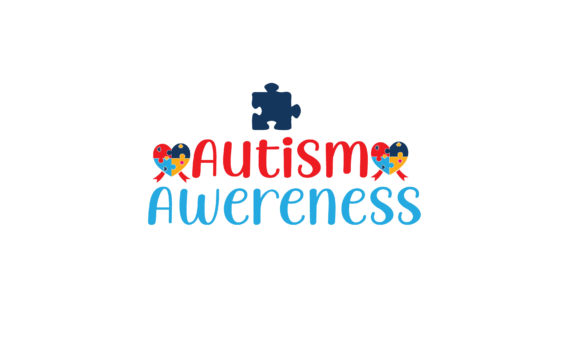
The initial visual impression of the layout suggests a clean, modern approach to advocacy. The typography feels balanced, avoiding the cluttered look that often plagues designs trying to say too much. In the world of machine embroidery, clarity is king. If the text becomes muddy or the spacing feels tight after stitching, the emotional impact is lost. From what I can see in the preview, the Autism Awareness theme relies on strong lines and clear spacing, which are excellent indicators for a successful stitch-out. It creates a mood of calm professionalism, making it suitable for everything from a boutique nursery item to a serious corporate awareness event.
From Vector to Stitch: The Real-Life Scenario
To truly understand the potential of this Autism Awareness asset, let me walk you through a scenario I recently navigated while preparing for a local holiday market. I needed a custom embroidered tote bag for a client who wanted something subtle yet meaningful for her family. She requested a design that honored her son without being overly loud or cliché. We landed on using the Autism Awareness Accept Understand Love concept.
I loaded the file into my digitizing software and immediately noticed the CMYK color mode setup. While embroidery machines work with thread colors, having the design in a standard color space makes it incredibly easy to map out your thread palette. I decided to use a soft, textured canvas for the tote bag. The challenge here was ensuring the text remained legible against the fabric weave. Because the design is provided as a 300 DPI resolution image alongside AI and EPS files, I had the flexibility to adjust the density and scale before ever touching the hoop.
The result was striking. The satin stitches held up beautifully on the tote bag, creating a smooth, tactile finish that felt premium. Customers at the market didn't just see a logo; they read the words "Accept Understand Love" and paused. That moment of recognition is crucial for handmade products. It transforms a simple accessory into a conversation starter. The design's ability to maintain its integrity on a curved surface like a tote handle or a flat surface like an apron demonstrates its versatility as a digital embroidery file.
Where This Design Shines in Your Craft Business
If you are an Etsy seller or a small shop product creator, knowing where to place your embroidery project is half the battle. The Autism Awareness design fits naturally into several high-demand categories. Its simplicity allows it to blend seamlessly into baby clothes, where parents often seek gentle, heartfelt messages rather than aggressive graphics. Imagine a onesie or a soft knit blanket featuring this motif; the contrast between the delicate fabric and the structured stitching creates a lovely texture.
Beyond apparel, consider the potential for home decor. A pillow cover or a kitchen towel featuring the Autism Awareness theme adds a layer of personal warmth to any room. These items serve as perfect personalized gifts for holidays or weddings, especially for families within the neurodiverse community. The design's vector nature means you can easily resize it to fit different hoop sizes, whether you are working on a massive banner for a charity run or a tiny patch for a denim jacket.
For those selling commercial embroidery services, the ease of modification is a game-changer. Since you receive the AI and EPS files, you can tweak the lettering to include a name or a date, turning a generic design into a bespoke handmade product. This level of customization is exactly what drives customer trust and repeat business. It shows you care about the details, elevating your brand above competitors who simply slap a pre-made graphic onto a shirt.
Practical Considerations and Potential Pitfalls
However, not every design works everywhere, and honest review requires acknowledging where caution is needed. The Autism Awareness design might struggle on very small hoop sizes if the lettering is dense. When working with tiny details, such as the curves in the word "Love," you must ensure the stitch count isn't so high that the fabric puckers. On thin or stretchy fabrics, like a lightweight jersey tee, the stabilizer choice becomes critical. Without proper backing, the tension required for the satin stitches could distort the garment.
Dark fabrics present another variable. While the design is versatile, achieving high contrast on a black sweatshirt requires careful thread selection. You cannot rely on the digital preview alone; you must test the thread colors against the actual fabric under the lighting conditions of your workspace. Furthermore, if you plan to use this for frequent washing, check the durability of the fill stitches. Designs with large areas of solid fill may require a higher stitch density to prevent the underlying fabric from showing through over time.
Curved surfaces, like caps, demand extra attention. The distortion inherent in stitching onto a rounded form can sometimes stretch out lettering, making it look uneven. Before committing to a bulk order of hats, always create a mockup or do a test run on a scrap piece of the same material. This step saves money and prevents the frustration of ruined merchandise.
Designer's Notes for Success
Before you start your next embroidery project, keep these practical tips in mind to ensure your finished product meets professional standards. First, always test the design on scrap fabric. This is non-negotiable. It allows you to check the stitch density and see how the thread colors interact with your specific material. Second, inspect the small details closely. Sometimes, what looks fine on a screen can become illegible when stitched, especially if the font weight is too light.
Use a proper stabilizer that matches the weight of your fabric. For a tote bag design, a cut-away stabilizer provides the necessary support to prevent shifting. If you are creating an embroidered patch, ensure the edges are clean and the back is stable enough to be ironed or sewn on securely. Don't forget to compare your design in both black and white mockups; this helps you visualize the contrast without the distraction of color.
Finally, confirm your licensing terms. While the file includes AI and EPS formats for easy editing, verify whether you have the right to sell finished items made with this graphics asset. Some licenses restrict commercial use, while others allow it freely. Understanding these terms protects your craft business and ensures you can operate with confidence.
In conclusion, the Autism Awareness design offers a powerful tool for designers and makers alike. It balances emotional resonance with technical feasibility, making it a strong candidate for your portfolio. Whether you are crafting a sweatshirt embroidery piece for a friend or building a line of holiday embroidery gifts, this design has the potential to connect with people on a deeper level. By approaching it with the right preparation and respect for the medium, you can turn a simple vector file into a cherished keepsake.