Little Peanut: A Crafts and Graphics Review for Sellers
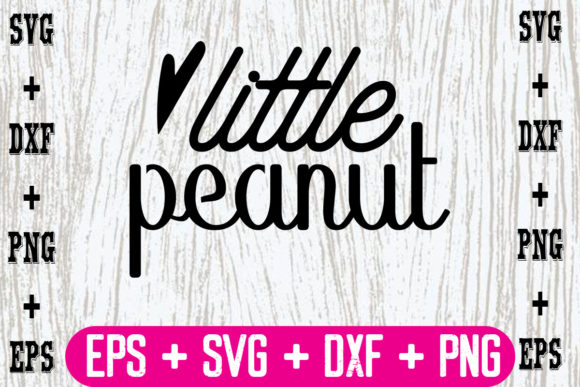
As a digital product creator who has spent years navigating the crowded waters of Etsy, Creative Fabrica, and print-on-demand platforms, I know that the difference between a listing that gathers dust and one that generates sales often comes down to the quality of the graphic design asset you choose. Recently, I evaluated a new addition to my potential resource library called Little Peanut. This Baby Funny Quotes Design caught my eye immediately because it promises versatility across multiple file formats including SVG, PNG, DXF, and EPS. But does it actually hold up when you are trying to build a cohesive, profitable collection? Here is my honest breakdown from a seller's perspective.
First Impressions and Niche Appeal
When I first opened the files for Little Peanut, the immediate feeling was one of playful charm. In the world of Crafts and Graphics, finding designs that balance cute aesthetics with commercial viability can be tricky. This design leans heavily into the "funny quotes" category, which suggests a lighthearted, humorous tone perfect for parents who don't take themselves too seriously. The visual personality is modern yet approachable, making it suitable for a wide range of audiences from young millennial moms to grandparents looking for unique gifts.
The mood is undeniably warm and inviting. It feels like something that would sit comfortably in a nursery or on a baby shower invitation. However, for a seller, the question isn't just about how cute it looks; it is about whether it fits a brand identity. If your shop focuses on premium, minimalist nursery decor, this might need specific styling to fit. If your brand is all about humor and relatable parenting struggles, Little Peanut could be a flagship piece. It appeals to buyers who want to express joy and laughter through their merchandise.
Real-World Application in Product Lines
Imagine you are preparing a new product collection for an upcoming baby season launch. You have access to a versatile digital download package that includes cut files viable with Cricut and Silhouette cutting machines. How do you leverage Little Peanut across different revenue streams?
First, consider the core SVC design aspect. These files are essential for creators selling physical goods. You could use the vector data to create t-shirt graphics for new parents, mug designs for funny coffee moments, or tote bag prints for diaper bags. The inclusion of DXF and EPS files means you aren't limited to just vinyl cutting; you can adapt these for laser engraving or professional screen printing workflows.
For those focusing on printable wall art or planner stickers, the PNG design component is critical. High-resolution PNGs allow you to create instant digital downloads where customers can print at home. You could bundle Little Peanut with complementary clipart to create a full nursery decor kit. Furthermore, this asset works beautifully as part of a seasonal bundle. Imagine a "First Christmas" or "Baby's First Birthday" collection where Little Peanut serves as the central theme.
Canva template sellers will also find value here. By incorporating the design elements into invitation templates or social media graphics, you provide a service that saves time for busy event planners. Whether you are creating greeting cards, invitation templates, or even scrapbooking kits, the flexibility of the included formats ensures you can meet various customer needs without needing to redesign the artwork from scratch.
Enhancing Product Presentation and Value
In the competitive landscape of a creative marketplace, presentation is everything. A great design asset needs to look even better when presented in a mockup. When I tested Little Peanut on various backgrounds, I noticed its strong potential for product mockups. Using it on a white t-shirt against a soft pastel background creates a clean, high-contrast image that draws the eye.
To maximize click-through rates, you should preview the design as a marketplace thumbnail. Does the text remain legible when shrunk down? The bold nature of the quote style in Little Peanut helps here, ensuring that even in a grid of dozens of listings, the message comes through. For listing images, you can pair this graphic with lifestyle photos of babies or happy families to tell a story. This visual storytelling builds customer trust and increases the perceived value of your Etsy product.
Creating brand consistency is another key factor. If you decide to make Little Peanut a staple in your shop, ensure it pairs well with your other fonts and colors. It works particularly well when paired with script fonts for a handwritten feel or sans-serif fonts for a modern, clean look. This attention to detail elevates your small business branding from amateur to professional.
Strategic Testing and Potential Pitfalls
Before hitting publish on any listing, rigorous testing is non-negotiable. While Little Peanut is a robust asset, there are scenarios where it requires careful handling. For instance, if you plan to use this for tiny sticker details, you must verify the resolution. Small text on a small surface can become illegible if the PNG design is not crisp enough.
Similarly, avoid placing this graphic on overly complex layouts or dark backgrounds where contrast might suffer. If your tumbler wraps feature busy patterns, Little Peanut might get lost. Always test print colors to ensure the ink holds up well on your chosen material. For sublimation design projects, check how the colors translate from screen to fabric.
Another critical step is verifying the SVG cut quality. If you are selling files for DIYers, the cut lines must be precise. Inspect the paths in your software to ensure there are no stray points or overlapping nodes that could cause cutting errors on a Cricut or Silhouette machine. Additionally, confirm the commercial license terms clearly. Some assets allow for unlimited end products, while others may have restrictions on the number of units you can sell. Clarity here prevents legal headaches later.
Practical Seller Notes for Success
To truly capitalize on Little Peanut, organize your files clearly for your customers. A messy folder structure can lead to negative reviews, regardless of how good the design is. Create distinct folders for SVG, PNG, DXF, and EPS, and include a readme file with instructions.
When building your design bundle, think about pairing this asset with complementary styles. A mix of serif, sans-serif, script, and display fonts can give your customers the tools they need to customize their own projects. This adds immense value to your digital product offering.
Finally, remember that a single asset like Little Peanut is just one piece of the puzzle. Use it to fill gaps in your inventory, test new niches, or refresh existing collections. By treating every graphic design asset with a strategic mindset, you transform simple files into a thriving online business. Whether you are a seasoned veteran or a beginner in the world of print-on-demand, understanding the strengths and limitations of your tools is the first step toward success.